
Thursday, November 13, 2025
Keep your thumb green and you kitty healthy by avoiding these popular house plants.
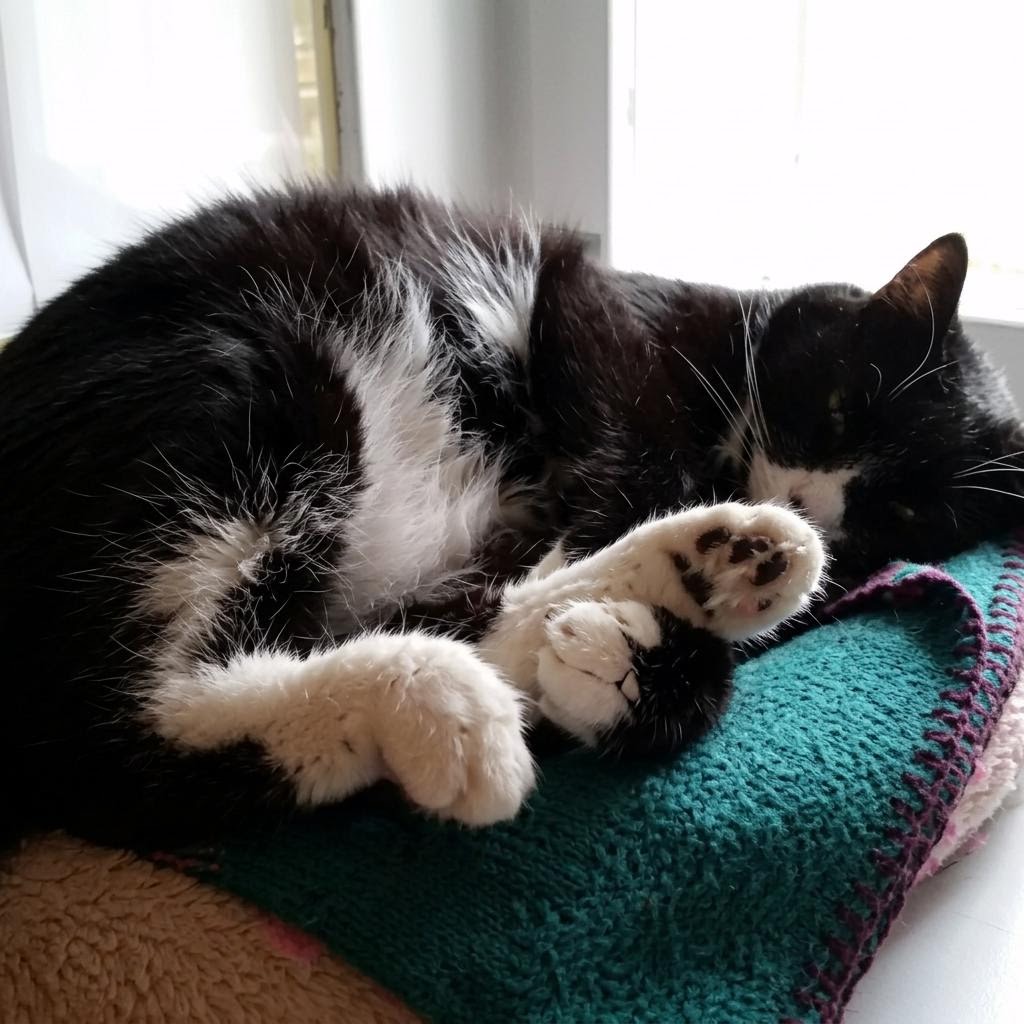
Why is that cats seem drawn to chewing on your most delicate house plants? Unfortunately some of the most beloved house plants are also toxic to cats. They nibble leaves, chew stems, or knock over planters. This exposure can cause anything from mild stomach irritation to serious organ damage.
Is it possible to have a house fit for a plant-lover and a cat-lover? Of course it is! If you want to keep your floof safe with still preserving your green thumb, we have some helpful information. As we head into the holiday season, it’s especially important to know which plants to avoid bringing into your home. This guide breaks down the most common toxic plants for cats, which parts are harmful, how they affect the body, and where to find reliable veterinary information.
Lilies
We'll start off with one of biggest surprising culprits. Lilies come in many varieties and are extremely popular in floral arrangements because they're fragrant, and long lasting. Unfortunately, ALL true lilies are highly toxic to cats. Every part of the plant is dangerous. Even a small amount of pollen or the water from a vase can trigger acute kidney failure.
Symptoms can include vomiting, drooling, lethargy, increased thirst, and decreased urination. Immediate veterinary care is essential.
Philodendron & Pothos
Philodendrons and pothos are two of the most popular indoor plants in New England homes because they grow quickly and thrive in low light. Also they are almost impossible to tell apart (at least to us). However that doesn't matter because they both contain insoluble calcium oxalates which irritate the mouth and throat if a cat chews on the leaves or stems.
Symptoms can include drooling, mouth pain, pawing at the face, swelling, or vomiting.
Tulips
Tulips are a springtime favorite across New England. They come in every conceivable color and look lovely planted in gardens or bunched in vases on the counter. Tulips are generally more of a concern for outdoor cats, since the bulbs are the most toxic part, but alkaloids in the leaves and flowers can also cause irritation if chewed.
Symptoms include drooling, vomiting, diarrhea, and increased heart rate.
Dieffenbachia (Dumb Cane)
Dieffenbachia is incredibly popular as a houseplant because of its large, variegated leaves and ability to grow in low light conditions. It contains calcium oxalate crystals similar to philodendron and pothos.
Cats that chew dieffenbachia may experience mouth burning, swelling, drooling, and vomiting.
Poinsettia
Poinsettias are a holiday season staple across New England. They are widely sold in grocery stores and gift shops because of their bright red bracts. Fortunately they are generally only are mildly toxic rather than highly dangerous. However every pet is unique and there is a slight risk of a more severe reaction.
Ingesting the sap can cause mild vomiting, drooling, or skin irritation, but serious illness is rare.
Christmas Trees
Say it isn't so! Yes, even our favorite holiday staple could be harmful to our floofy pets. Assuming of course that you have a real one. While not severely toxic, they pose several risks. Cats may chew needles that can irritate the stomach. The water in the tree stand can harbor bacteria, mold, or fertilizer residue. It's also not uncommon for long-hair cats to get needles tangled in the fir which can irritate or even embed in the skin.
Mistletoe
Mistletoe is so very festive but it's better to stick with the plastic kind if possible. Both the berries and leaves are toxic if eaten. Some species are more dangerous than others.
Symptoms can include vomiting, diarrhea, low heart rate, and low blood pressure.
In Case Of Emergency
If you think your cat is showing symptoms after chewing or swallowing a plant, act quickly. Remove any plant material from their mouth, rinse the area with water if your cat will allow it, and take note of what plant they may have ingested. Even mild signs like drooling, vomiting, lip smacking, or sudden hiding deserve prompt attention. Call your veterinarian or the Pet Poison Helpline at 855-764-7661 for guidance.
For more detailed info on a wider variety of potentially harmful plants, visit the ASPCA's Poison Control for Plants page: https://www.aspca.org/pet-care/aspca-poison-control/toxic-and-non-toxic-plants
Or contact the Pet Poison Helpline at https://www.petpoisonhelpline.com
Some Safe Plant Options
You may be asking, well then what plants CAN I have in the house? Rest assured there are plenty of options including spider plants, Boston ferns, calathea varieties, and peperomia. All are hardy, attractive, and safe for curious cats. If you prefer succulents, haworthia is a pet safe option.
Also, consider growing some cat grass! Seeds are inexpensive and are usually a mix of wheat, barley, or oat grass. Kill two birds with one stone but putting some seeds in decorative pots to make your home greener and gives cats a safe outlet for chewing, which can reduce their interest in other plants.
Ready to Book a Purrfect Stay?
Give your little one the comfort and love they deserve while you’re away. Chez Mieux Cat Kennel welcomes families from Boston, Franklin, Natick, Quincy, and across New England. Explore our luxury cat boarding options today and see why we’re the trusted choice for cat parents.